Fintech Hospitality

The rewards - first booking engine

Designing a booking experience where users see value, not just price.

Member Deal

Azure Bay Resort

★★★★★ Malibu, California
check_circle Free Cancellation
Due Today $1,625.50
Cashback (on total booking)
10%
You Save $142.55
Coins Earned 14,255

Effective Price

$1,282.95

Context

Client Goal

Build a scalable booking platform for luxury boutique hotels with a differentiated rewards experience.

Target Platforms

Web Dashboard, iOS, Android

Domain

B2C Travel & Luxury Concierge

Best.so is a travel booking platform for luxury boutique hotels that integrates dynamic pricing with cashback and coin-based rewards, enabling users to understand both their actual cost and rewards directly within the booking flow.

Product Insight

Booking platforms often present incomplete pricing, with additional fees revealed later in the journey. This creates a gap between perceived and actual cost, reducing user trust and increasing decision friction. At the same time, reward systems like cashback and points are typically disconnected from pricing, making it difficult for users to understand the true value of a booking.

Design Mandate

End-to-end solo designer.

explore Explore
architecture Design
chat Discuss
confirmation_number Ticket
rocket_launch Ship

System Thinking

search

Value-Driven Search

Real-time pricing combined with cashback and coin application directly in search results, allowing users to evaluate true cost upfront.

account_balance_wallet

Wallet

User coin balance directly impacts booking decisions by enabling real-time redemption and influencing perceived cost.

autorenew

Reward Loop

Coins earned from bookings feed back into future searches, creating a continuous loop that drives repeat engagement.

calculate

Pricing Engine

Dynamic pricing influenced by taxes, demand, and reward calculations, requiring consistent synchronization across the experience.

Design Challenge

Problem Statement
layers

Information Density

Structuring multiple layers of information into a clear and scannable format without overwhelming the interface.

psychology

Decision Confidence

Ensuring users feel confident in their booking decisions by reducing ambiguity and clearly communicating outcomes.

verified_user

Flow Consistency

Maintaining consistency in how information is displayed and interpreted across search, detail, and checkout stages.

edit_square End-to-End UX Strategy
gesture Interaction Design & Prototyping
groups Stakeholder & Dev Collaboration

My Role & Ownership

I led the end-to-end design of the booking experience, focusing on structuring complex information into clear, scannable patterns. I defined how key decision-making elements are presented across the journey and worked closely with engineering to ensure consistency between system behavior and user-facing communication.

Feature 01

The Value Timeline

Design Rationale

In complex reward systems, users often feel cognitive load when trying to calculate the final value. By front-loading the math, we remove the 'disclosure' phase and replace it with a 'pitch'. This transparency builds immediate trust and reduces drop-off at the checkout stage where price shock usually occurs.

Azure Bay Resort

★★★★ Malibu, California
Sold Out
Due Today $1,178.24
percent Cashback (on total booking)
10%
payments You Save (credit to your wallet)
$117.82
toll Coins Earned (reward coins)
11,782

Effective Price

$1,060.42

code

Technical Detail

The hotel card operates as a real-time value-engine rather than a static price display. The base rate, cashback percentage, available coins, and earned rewards are dynamically combined to compute the effective price at render level.

This required aligning UI logic with back-end calculations to ensure that every visible number savings, coin usage, and final payable remains consistent across search, detail, and checkout states.

"This shift transformed the card from an information display into a decision-making tool."

Feature 02

Leveraging Behavioral Economics

Users were stuck between two extremes: Non-Refundable felt risky, Fully Refundable felt overpriced. The gap caused drop-off. We introduced a third tier: 97% Refundable, sitting just $50 above the cheapest option. Using the decoy effect, it reframed the entire choice. Non-Refundable now looked reckless, Fully Refundable looked unnecessary, and the middle option felt like the obvious win.

Non-Refundable

Lowest price. No cancellation allowed.

$1,000
Best Value
97% Refundable

Cancel anytime. Only 3% processing fee.

$1,050
Fully Refundable

Cancel anytime. No fee. Maximum flexibility.

$1,200
The Outcome

The 97% refundable tier became the default choice users felt they won, and the business reduced dispute risk.

Feature 03

Top-of-Funnel Acquisition

We designed a scalable acquisition system by combining programmatic SEO pages with the core booking interface. Instead of treating landing pages as static content, each page was structured to guide users from discovery to decision. The same value-driven pricing logic used in the product was extended into these pages, ensuring that users arriving from search could immediately evaluate real booking value without friction.

User searches a park on Google

arrow_forward

Lands on our editorial park page feeds useful content

arrow_forward

Hotel card appears at the end - books on best.so

The Insight

"A person researching Yosemite is closer to booking a hotel than a person opening a booking app. We designed for that moment."

Architectural Scalability

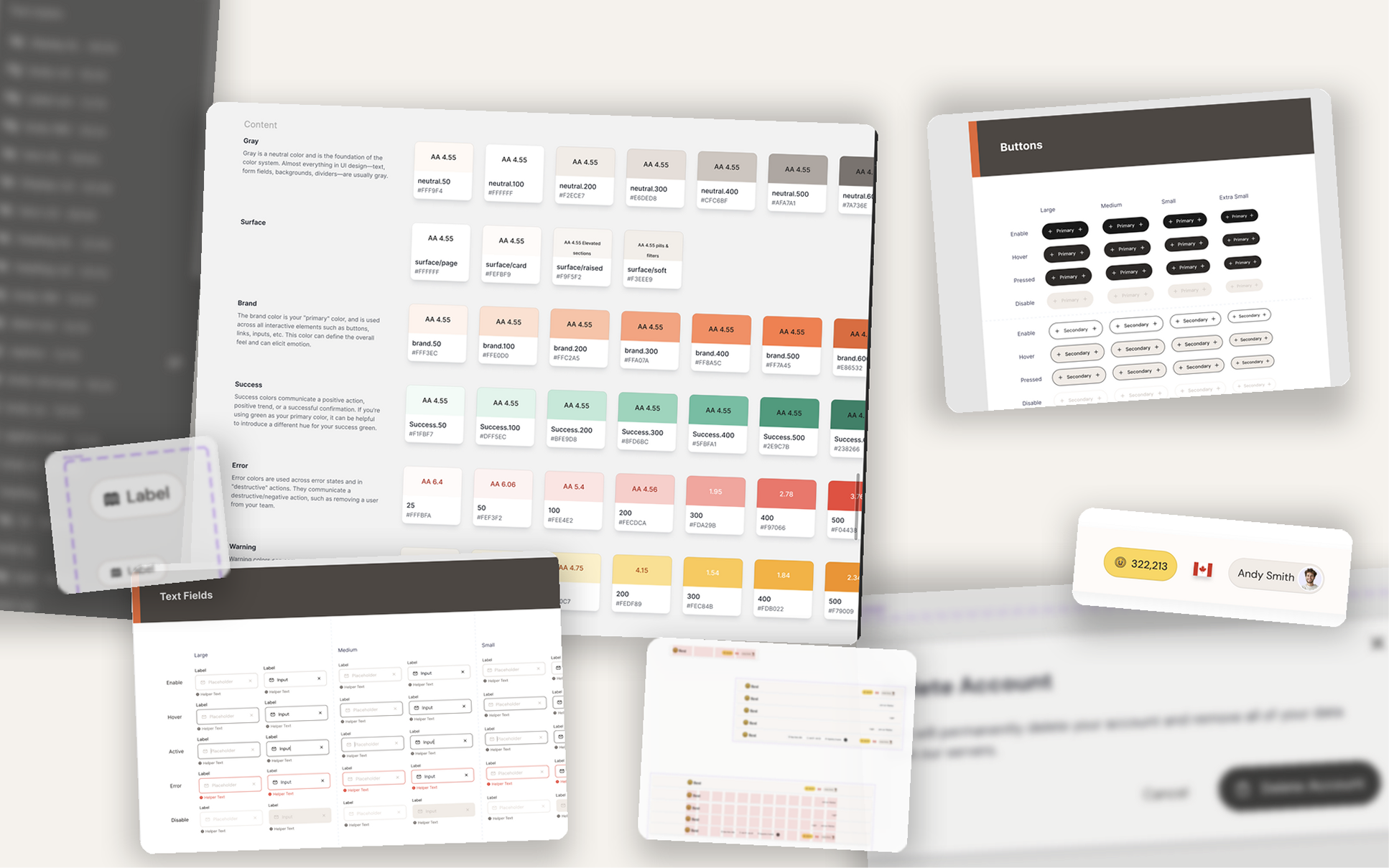
Building a scalable library from zero allowed for complete brand consistency across web, mobile, and marketing collateral.

Reflection

Where it stands.

The Product

best.so is a live product, still being built. The three features in this case study are the ones that changed how we think about the product. Not the only ones that matter. Every screen you saw here went through more iterations than this page shows.

What's Next

We are expanding the hotel inventory by integrating directly with multiple hotel partners and amenity data providers through their API's. So, every detail a user sees is accurate and real-time. On the product side, features like multi-hotel booking in a single checkout are in progress. The surface is small. The complexity underneath is not.

"Every decision in this product comes back to the same question, does the user know exactly what they're getting? If yes, ship it."

Home Visit best.so →